
Morphological, Biochemical and Biophysical Studies on Jojoba
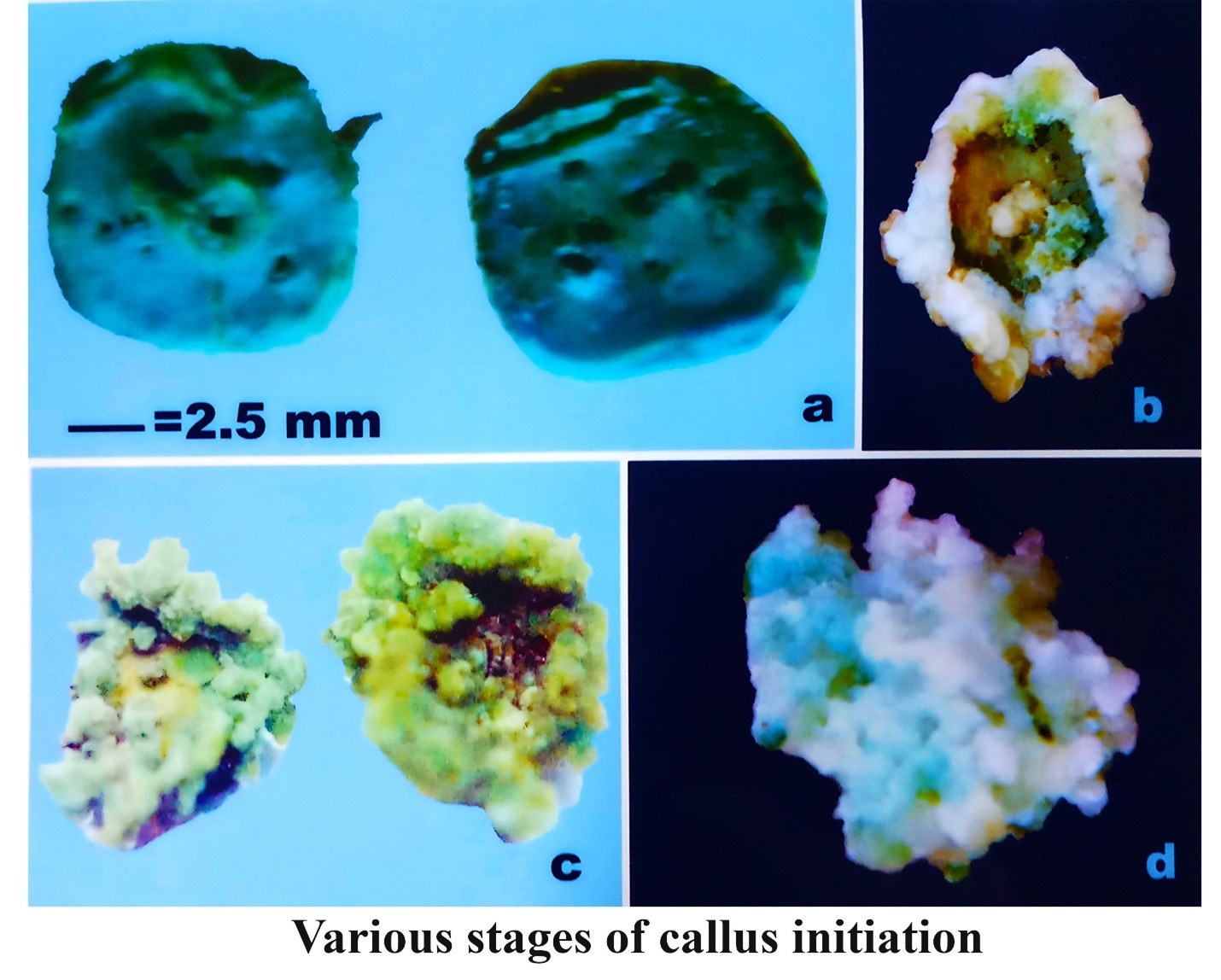
Jojoba (Simmondsia Chinensis) Is An Oil-producing Crop That Has Attracted Much Attention In Recent Years. Jojoba Oil, Which Is Commonly Known As Liquid Wax, Is Colorless And Odorless With Unique Physical And Chemical Properties. This Perennial Shrub Can Be Distinguished By Sex Only After Flowering At Three Years Of Plant Age. No Morphological, Anatomical Or Genetic Marker Is Available For The Identification Of A Male Or Female Plant During Its Early Developmental Stage. Physiological Studies Of Jojoba Are Rather Scanty. For A Long Time, The Study Of Sexuality In Plants Consisted Mainly Of Measuring The Influence Of External Factors On Sexual Dimorphism And In Determining The Physiological And Biochemical Differences Between Male And Female Plants. Earlier 1934 Sabinin Suggested That Fertilizers Could Affect Sex Change In Plants. Especially, The Proposed That Individual Elements And Their Relative Concentrations In The Soil Could Play An Important Role In Determining The Direction Of Sex Expression. Periodic Additions Of Nitrogenous Fertilizers Resulted In A Considerably Greater Number Of Female Inflorescence In Corn While Potassium Fertilizers Influenced Male Inflorescence. However, Effective Cultivation Of Jojoba Is Difficult Because It Is A Dioecious Plant And Its Sex Is Not Easily Determined Before Flowering (3-4 Years From Cultivation). Plant Regeneration Via Tissue Culture Is An Important Tool In Mass Propagation, Mutant Selection, And Genetic Transformation. Callus Formation Is One Of The Most Important In Vitro Development And Growth Stages During Which Its Undifferentiated Parenchymal Cells Can Be Directed To Form Organs, Roots, Somatic Embryos Or To Form Many Natural Active Constituents And Secondary Compounds Of High Medicinal Value In A Short Period Rather Waiting For 3 Years To Achieve Its Maternity Stage Because Jojoba Produces The Highest Yield Of Seeds After 8 Years Of Traditional Culture.
Objectives
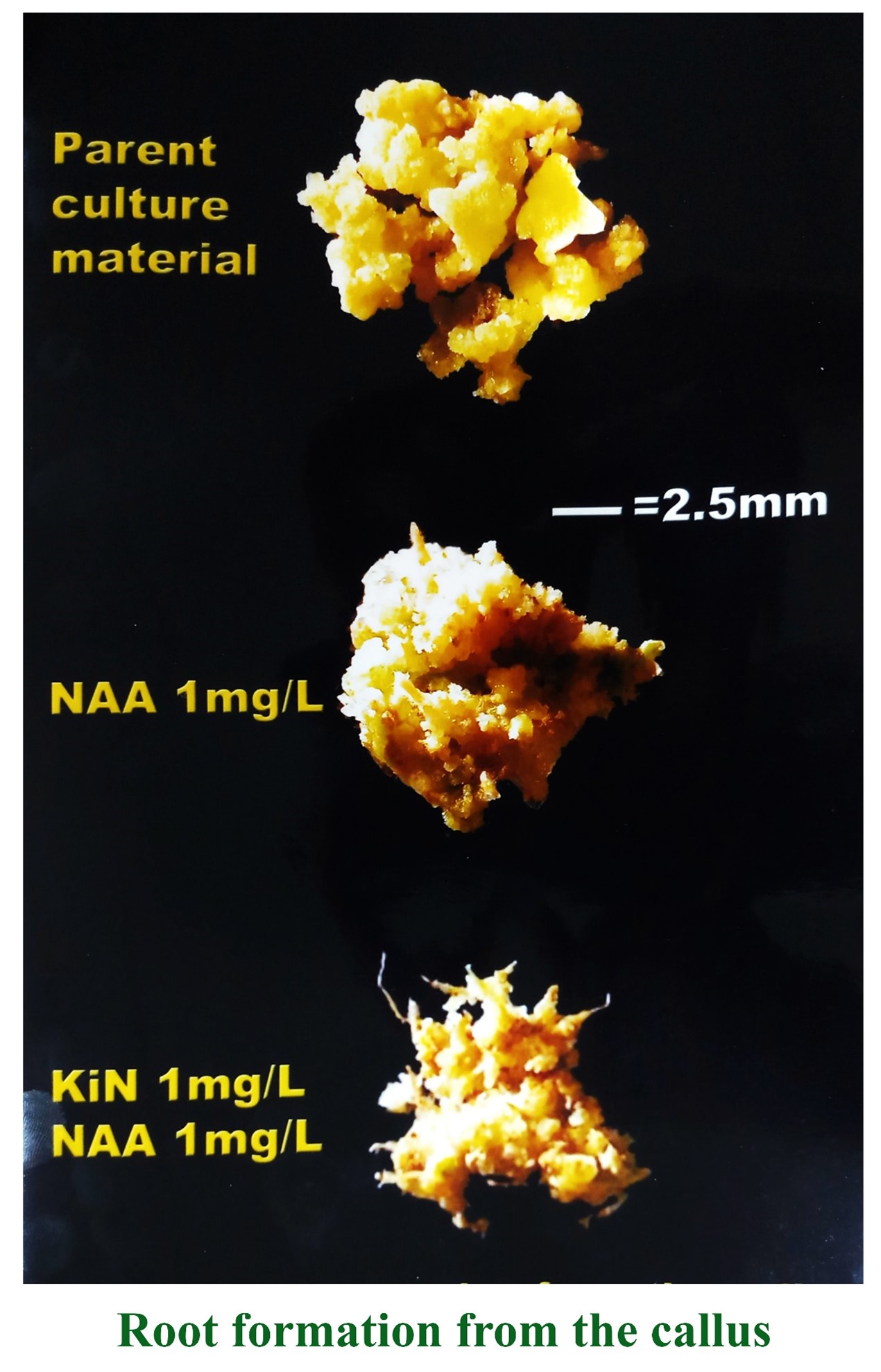
Standardization Of Optimum Conditions For The Callus Induction From The Male And Female Leaf Of Jojoba. Study The Effect Of NO3- And NH4+ concentration On The Growth Of Callus Induced From The Male And Female Plants. Study The Nitrate Reductase And Nitrogen Assimilation Process Enzymes Activity In Both Male And Female Jojoba Leaf Callus.
Major finding results
Leaf Discs Obtained From The Male And Female Leaves Were Cultured On MS Media And Showed Swelling Of Explants, During The First Week Of Growth. Cells Started Proliferation Within Two Weeks And Profuse Callus Growth Was Observed Within Five Weeks. Maximum Callus Growth Was Obtained In Murashige And Skoog Media Supplemented 2-4-dichlorophenoxyaceticacid (0.4mg/L), 6- Benzyladenine (0.5mg/L) And Kinetin (0.5mg/L) Hormones Concentration. Maximum Number Of Root Formation Were Observed In 80-90% In BAP (1mg/L) And KiN (0.5mg/L) Combination Maximum Fresh Weight For Female Callus Was Recorded In MS Media With Additional 60mM Nitrate: Ammonium Source. Nitrate Reductase Activity Was Recorded Higher In Female Leaf Callus Treated In All NO3- And NH4+ Concentrations. Overall Levels Of Nitrogen Assimilatory Enzymes Were Higher In Females As Compared To Male Callus During The Growth.
Output of work
This Study Investigated The Optimum Protocol For Callus And Root Induction From The Male And Female Explants Cultured On Different Concentrations Of 2-4-D, BAP, And Kinetin. This Study May Be Useful In Monitoring The Rooting Behavior In Callus And Microcutting While Mass Cloning S. Chinensis For Field Cuttings Or Callus Mediated Organogenesis. It May Be Also Helpful To Characterize Molecular Events During Rhizogenesis In S. Chinensis. The Resultant Callus Can Be Used For Future Research Studies That Appear Difficult For Commercial Cultivation Of Jojoba In The Field Such As Biochemical And Physiological Studies.
Publication:
S.B. Bagatharia And V.S. Thaker (2003) Growth Patterns Of Jojoba Male And Female Leaf Callus With Various NH4 And NO3 Sources. J Plant Nutrition 26:1277-1286